
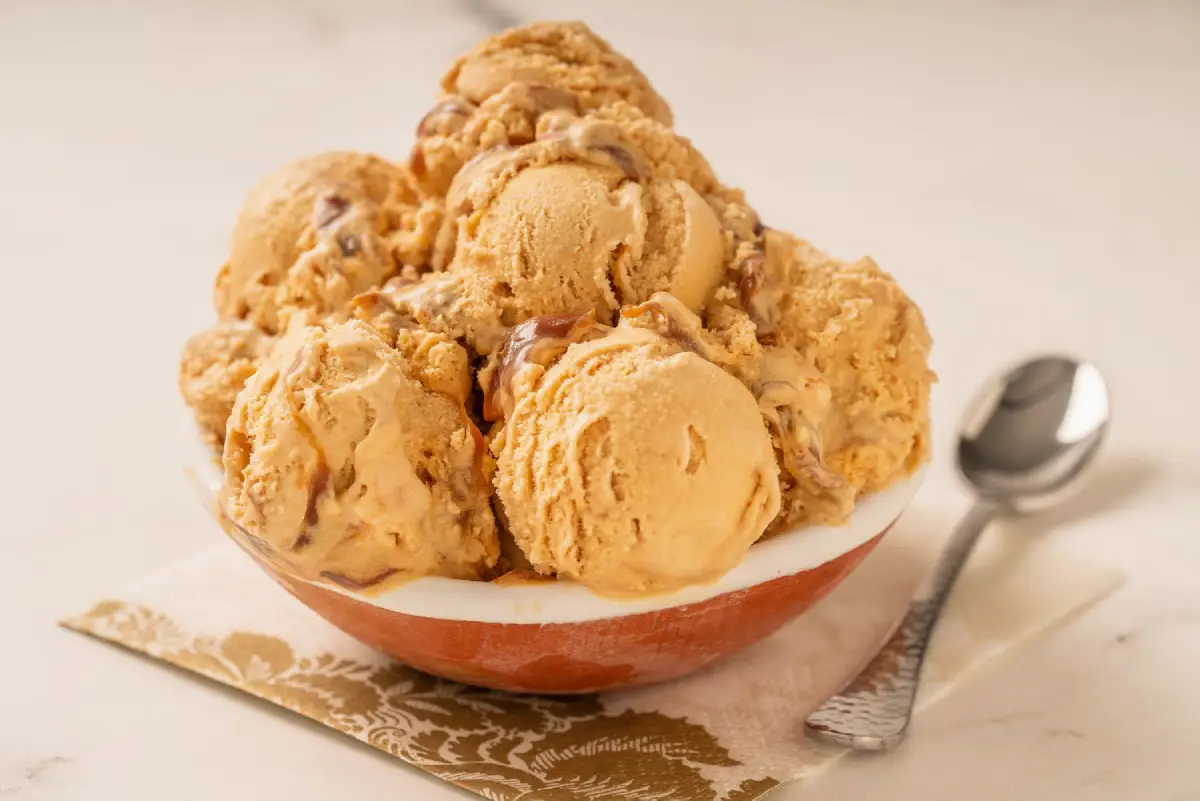

Have you ever dipped a french fry into a milkshake and thought, “Wait, this is genius”? You’re tapping into a secret known to chefs and flavor fanatics everywhere: the irresistible magic of the salt-sweet combination. While traditional ice cream parlors stick to vanilla and chocolate, the culinary world is buzzing about a revolutionary flavor profile that’s taking the dessert aisle by storm: Salty Ice Cream.
This is not a niche trend; it’s a profound shift in dessert appreciation. We are moving beyond simple sweetness to embrace complexity, contrast, and balance. If you’re looking to elevate your dessert game, attract customers searching for the trendiest treats, and truly understand the future of frozen desserts, diving into the sophisticated world of salty ice cream is your golden ticket.
The Culinary History of Salt and Sweet Harmony
The concept of pairing salt with sweet isn’t new; it’s practically ancient. Cultures worldwide have always understood that a touch of salt can transform a sugary treat.
- Global Roots: Think of the classic Turkish kahvaltı (breakfast), which perfectly balances sweet jams and honey with salty cheeses and olives. Or consider the traditional practice of adding a pinch of salt to cocoa to intensify its deep, earthy flavor.
- The Modern Renaissance (The Salted Caramel Boom): The explosion of salted caramel ice cream in the early 2000s, credited largely to French pastry chefs, was the catalyst. It took the familiar, comforting flavor of caramel and gave it a necessary edge. This flavor became the gateway for the public to accept and then crave more adventurous salty-sweet combinations, paving the way for flavors like miso, soy sauce caramel, and beyond.
The public’s appetite for this contrast signaled a maturity in our collective palate—a desire for desserts that are less saccharine and more nuanced.
Why Salty Ice Cream Tastes So Good (It’s Pure Science!)
The pairing of sweet and salty isn’t a random culinary quirk; it’s a profound sensory experience rooted in how our taste buds and brain interpret flavor.
1. Flavor Enhancement and Brightening
Salt, specifically sodium, is a powerful flavor amplifier. It doesn’t just add a salty taste; it actively brightens and intensifies the sweetness of the sugar and the complex underlying notes of the other ingredients, whether it’s the butteriness of caramel or the bitterness of dark chocolate. Research suggests that salt helps block the perception of bitterness, making the desirable sweet and savory notes stand out even more.
2. The Necessary Contrast (Stopping Palate Fatigue)
Too much sugar can be cloying and monotonous—a phenomenon known as “palate fatigue.” Your taste buds become overwhelmed, and the pleasure of eating diminishes quickly. Salt provides a crucial contrast and break, acting as a counterpoint that stops the sweetness from becoming overwhelming. This crucial balance makes the entire experience more satisfying, encourages moderation by enhancing satiety, and, paradoxically, prompts you to take another bite because the contrast is so invigorating.
3. Depth and the “Umami” Factor
In savory applications, salt helps bring out umami (the fifth basic taste, often described as savory or meaty). While ice cream isn’t meat, the salt introduces a similar layer of depth and complexity—a rich, lingering quality that simple sugar cannot achieve alone. This is particularly evident in new trends like miso or soy sauce-based frozen treats, where the fermented, savory notes provide a grounding foundation for the sweetness.
From Sea Salt to Savory Swirls: Expanding the Salty Ice Cream Universe
The salty ice cream is a broad umbrella covering a spectrum of delicious possibilities. While salted caramel is the veteran, these trending flavors are redefining the category:
The Pioneers: The Essential Salty Classics
| Flavor Profile | Key Ingredients | Sensory Experience |
| Salted Caramel Ice Cream | Heavy cream, brown sugar, butter, high-quality sea salt (e.g., Maldon). | Rich, buttery, and profoundly balanced. The melt-in-your-mouth caramel is sharpened by the bright pop of salt. |
| Salted Chocolate Ice Cream | High-percentage dark cocoa, heavy cream, coarse salt crystals (often Fleur de Sel). | A sophisticated twist on a classic. The salt amplifies the bitterness of the dark cocoa, making the chocolate flavor deeper, richer, and less juvenile. |
| Salted Peanut Butter | Peanut butter base, often with pretzels or brittle chunks, and a light salt finish. | Comforting and nostalgic, the saltiness echoes the classic preparation of salted roasted peanuts, ensuring the peanut flavor is front and center. |
The Innovators: Global and Unexpected Salty Flavors
- Miso Ice Cream: This flavor uses savory fermented soybean paste (miso) in the base. Depending on the type of miso (shiro/white or aka/red), it offers notes ranging from buttery butterscotch to nutty, earthy caramel. The umami-rich saltiness adds incredible depth and an element of delicious surprise.
- Olive Oil and Sea Salt: A favorite among artisanal shops, this uses high-quality extra virgin olive oil to create a silky, slightly fruity texture, with a heavy-handed sprinkle of coarse salt to finish. It’s light, grassy, and surprisingly complex.
- Soy Sauce Caramel Swirl: Taking inspiration from Japanese culinary methods, a touch of soy sauce is added to the caramel base. The fermentation process in the soy sauce delivers a different kind of saltiness—deeper, slightly malty, and incredibly rich.
- Savory Mix-ins: The salt can come from inclusions rather than the base. Think Pretzel & Toffee Swirl (salty pretzel crunch) or Crème Fraîche with Black Pepper & Honey (the saltiness of the cultured dairy paired with aromatic pepper).
Read also this: Ash Trevino
Mastering the Craft: Tips for Creating the Perfect Salty Ice Cream
Whether you are a home enthusiast or a professional pastry chef, the devil is in the details when it comes to balancing salt and sugar.
1. The Crucial Role of Salt Quality and Texture
- Avoid Table Salt: Standard iodized table salt is too harsh and delivers a quick, sharp saltiness.
- Use Flaky Sea Salt: Invest in a flaky sea salt (like Fleur de Sel or Maldon) or pink Himalayan salt. A coarse, textural grain is absolutely essential because it delivers a delightful crunch and a localized burst of flavor that hits the palate after the initial sweetness.
- Kosher Salt for the Base: Fine Kosher salt is ideal for dissolving into the custard base, ensuring the overall mixture is perfectly seasoned and the flavors are amplified.
2. Strategic Salt Application
The key to perfect salty ice cream is adding salt at multiple, distinct stages:
- In the Base (Seasoning): A measured amount of fine salt dissolved in the liquid base mixture (before churning) amplifies the overall flavor profile. This is the flavor foundation.
- During the Swirl (Texture and Pop): For swirl flavors (like caramel or chocolate ribbons), sprinkle coarse salt into the swirl just before folding it into the finished, churned ice cream. This creates localized flavor pockets.
- As a Finish (Aroma and Crunch): Sprinkle coarse salt right before serving—this is the professional secret. The salt crystals remain intact, providing the textural contrast and the bright, clean salty note that makes the dessert memorable.
3. Understanding the Base Sweetness
When creating a salty ice cream flavor, you often need to slightly increase the sugar content of the base recipe compared to a non-salty flavor. Why? Because the salt will intensely block and balance the perception of sweetness. A standard recipe might taste too bland or overly salty if the sugar isn’t adjusted up to meet the salt. This balance ensures that neither the sweet nor the salt dominates, achieving that sublime harmony.
The Commercial Appeal and Market Opportunity
For businesses, embracing salty ice cream is a smart strategic move in a competitive dessert market:
- Attracting the Adult Palate: Salty flavors appeal more to adult consumers who seek complex, balanced, and less saccharine desserts. It signals sophistication and a departure from mass-market offerings.
- Standing Out on the Shelf: A unique flavor like “Black Sesame Miso” or “Rosemary and Sea Salt” cuts through the noise of typical vanilla and chocolate offerings, making your product more memorable and Instagrammable.
- Versatility in Pairing: Salty ice creams pair incredibly well with complementary flavors and ingredients. For example, a salted caramel scoop is the perfect foil for an acidic fruit pie (like tart apple) or a rich, creamy mousse.
The future of frozen desserts is about complexity, contrast, and balance. Salty ice cream is not just a trend; it’s the evolution of flavor.
The Takeaway: Don’t Fear the Flavor Contrast!
Salty ice cream is a sophisticated dessert category that offers depth, complexity, and undeniable satisfaction. From the creamy richness of salted caramel to the savory surprise of olive oil or miso, these flavors are guaranteed to be a hit with anyone looking for a dessert that’s anything but boring. Embrace the salt, and you’ll unlock a universe of exquisite flavor.
Ready to try the ultimate flavor fusion? Find your nearest artisanal scoop shop and ask for their most popular salty flavor, or start experimenting with high-quality flaky sea salt in your next homemade batch!
For more related topics: https://mirsft.com/