
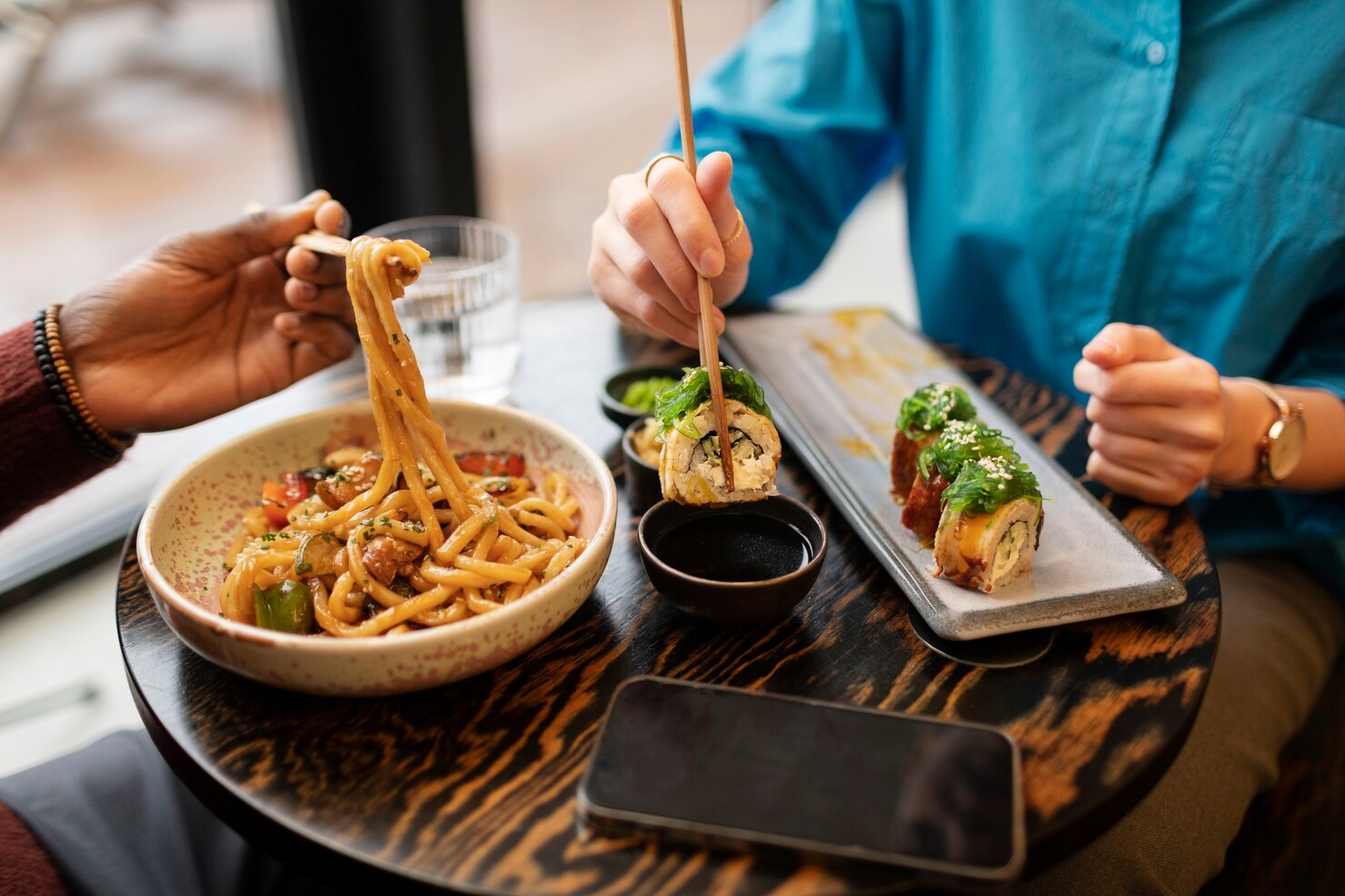

Chinese food. For many, the phrase conjures up images of weekend takeout containers filled with Chow Mein or Sweet and Sour Chicken. But to a global population of billions, it is a vast, ancient, and intricate culinary universe—one that can trace its origins back thousands of years and encompasses flavors from fiery spice to delicate sweetness, from the misty mountains of Sichuan to the bustling ports of Guangzhou.
This is not just a food group; it is a history lesson, a philosophy, and an art form all wrapped up in a comforting bowl of noodles or a perfectly steamed dumpling.
At over 1,500 words, this comprehensive guide will take you far beyond the familiar, plunging deep into the heart of Chinese cuisine. We will explore the regional diversity, cultural significance, foundational ingredients, and the iconic dishes that have captivated the world. Whether you are a dedicated home cook, a history enthusiast, or just someone looking for a new restaurant recommendation, prepare to have your palate—and your mind—expanded.
Unpacking the Diversity: The “Eight Great Cuisines”
To speak of a single “Chinese food” is to miss the staggering diversity of a nation whose geographical size and climatic variation have led to distinctly different culinary traditions. For centuries, Chinese gourmands and scholars have classified the country’s main cooking styles into the “Eight Great Cuisines” (八大菜系, Bā Dà Càixì). Understanding these regional schools is the first step in truly appreciating the complexity of Chinese cooking.
1. Sichuan (Chuan): The Fire and the Numb
- Location: Sichuan and Chongqing.
- Flavor Profile: Famous for its bold, pungent, and, above all, spicy and numbing (麻辣, málà) flavor. This unique sensation comes from the generous use of chili peppers combined with the legendary Sichuan peppercorns.
- Iconic Dishes: Mapo Tofu, Kung Pao Chicken, Dan Dan Noodles.
- Why it’s unique: It’s not just about heat; it’s about the sophisticated layering of seven primary flavors: sour, pungent, hot, sweet, bitter, aromatic, and salty, achieving a beautiful, complex balance.
2. Cantonese (Yue): Freshness and Subtlety
- Location: Guangdong (Canton), Hong Kong, and Macau.
- Flavor Profile: Light, fresh, and slightly sweet. Cantonese cooking prioritizes the original flavor of the ingredients, using minimal seasoning to showcase the quality of the fresh seafood and produce.
- Iconic Dishes: Dim Sum (small, delicate bite-sized portions), Char Siu (BBQ Pork), Steamed Fish.
- Why it’s unique: This is the style most familiar to the West and is celebrated for its mastery of steaming and stir-frying techniques, which preserve the ingredient’s natural texture and flavor.
3. Shandong (Lu): Imperial Cuisine and Seafood
- Location: Shandong Province (on the coast).
- Flavor Profile: Salty and fresh, with a focus on clear soups and crispy textures. It is considered the foundation of Northern Chinese cuisine.
- Iconic Dishes: Seafood, clear broths, and finely-cut vegetable dishes.
- Why it’s unique: Due to its proximity to the capital during the imperial era, Shandong cuisine heavily influenced the recipes served in the Imperial Court, making it one of the most respected styles.
4. 淮扬 (Huaiyang): Elegant and Artistic
- Location: Jiangsu Province (around the Yangtze River Delta).
- Flavor Profile: Mild, moderately sweet, and deeply savory. Huaiyang is renowned for its elaborate knife work, beautiful presentation, and delicate, soft textures.
- Iconic Dishes: Yangzhou Fried Rice (the original version), Wensi Tofu (where tofu is cut into thousands of fine threads).
- Why it’s unique: Often considered the pinnacle of culinary artistry, it’s the formal cuisine used for state banquets.
The other four regional schools—Fujian (Min), Zhejiang (Zhe), Hunan (Xiang), and Anhui (Hui)—further diversify the culinary map, bringing in notes of sour-and-hot, fermented flavors, and mountain-foraged ingredients, proving that no single dish can represent the entire cuisine.
A Timeless Wok: The History and Cultural Significance
The traditions of Chinese cuisine are not merely a collection of recipes; they are a direct reflection of China’s philosophy, geography, and social history.
The Philosophical Foundations: Harmony and Balance
Ancient Chinese philosophy, particularly Taoism and Confucianism, profoundly shaped culinary practices. The concept of Yin and Yang is central to Chinese cooking.
- Yin foods are considered “cooling” (e.g., vegetables, fruit, water-based foods).
- Yang foods are considered “warming” (e.g., meats, deep-fried dishes, spicy foods).
A great chef strives for balance, creating a meal that harmonizes these opposing properties, not just for flavor but for the body’s well-being. Furthermore, the five principal flavors—sweet, sour, salty, bitter, and spicy—are tied to the five elements (wood, fire, earth, metal, water) and five organs, forming an intricate system of flavor and health.
From Farm to Feast: Culinary Milestones
The history of Chinese food stretches back to the Neolithic Age, but key innovations marked its evolution:
- The Staple Divide: Northern China, due to its drier climate, relied on wheat (leading to noodles, dumplings, and steamed buns like Mantou and Baozi), while Southern China’s reliance on wetter environments made rice the undisputed staple.
- The Wok Revolution: The invention of the wok and the technique of stir-frying (Chǎo) was a revolutionary advancement. It allowed food to be cooked quickly over high heat, preserving its texture and nutritional value while conserving scarce fuel.
- The Silk Road Influence: As trade flourished during the Tang Dynasty (618–907 CE), exotic spices like cinnamon and cloves were introduced, adding new aromatic layers to the cuisine. The later Ming and Qing Dynasties incorporated New World ingredients like chilies, peanuts, and sweet potatoes, which are now foundational to regions like Sichuan and Hunan.
Cultural Note: Food is fundamentally tied to togetherness. The traditional circular dining table, where everyone shares dishes from the center, symbolizes family unity and harmony. Dishes like Dumplings (Jiaozi), which resemble ancient Chinese silver ingots, are eaten during the Lunar New Year to wish for prosperity, illustrating the deep connection between food and fortune.
The Global Phenomenon: Dishes That Conquered the World
While exploring the “Eight Great Cuisines” is a treat for the dedicated epicure, some dishes have transcended borders to become global icons of Chinese cooking.
Dim Sum: The Cantonese Brunch Tradition
More than just food, Dim Sum is a social institution. Translating to “touch the heart,” these small, often delicate savory and sweet snacks are traditionally enjoyed for breakfast or lunch with tea (Yum Cha).
- Must-Try Items:
- Har Gow (Shrimp Dumplings): Translucent wrappers filled with plump shrimp.
- Siu Mai (Pork and Shrimp Dumplings): Open-topped, cup-shaped delights.
- Char Siu Bao (BBQ Pork Buns): Fluffy steamed buns filled with sweet and savory pork.
Kung Pao Chicken: A Sichuan Classic
This dish is a perfect introduction to the málà flavor profile. While Americanized versions often err on the side of sticky and overly sweet, the authentic Sichuan preparation is characterized by a balance of chicken, dried chilies, peanuts, and a deep, aromatic savory sauce that provides a pleasant, tingling numbness.
Peking Roast Duck: A Royal Spectacle
The “national dish of diplomacy” is more of an experience than a meal. Originating from Beijing, the duck is meticulously roasted until the skin is impossibly crisp and golden. It is traditionally served carved tableside, with thin slices of skin and meat wrapped in delicate pancakes with scallions, cucumbers, and hoisin sauce.
The Noodle Empire: Chow Mein and Beyond
The world’s love affair with Chinese food is often a love affair with noodles.
- Chow Mein (炒面, Chǎomiàn): “Stir-fried noodles,” often with a savory sauce, vegetables, and meat.
- Lo Mein (捞面, Lāomiàn): “Tossed noodles,” where the noodles are usually boiled and then mixed with sauce and ingredients.
- Dan Dan Noodles: A spicy Sichuan street food classic tossed in a rich, meaty sauce of chili oil, sesame paste, and minced pork.
The Essential Techniques and Tools for Chinese Cooking
You don’t need a professional kitchen, but a few key tools and techniques can elevate your home-cooked Chinese meals from ordinary to extraordinary.
The Workhorse: The Wok
The undisputed king of Chinese cookware. Its round bottom allows for an intense concentration of heat in a small area, perfect for achieving Wok Hei (鑊氣), the elusive “breath of the wok”—the smoky, complex flavor imparted by an extremely hot wok during flash-frying.
Essential Techniques to Master
- Stir-Frying (Chǎo): The most famous technique. Ingredients are rapidly tossed in a hot wok with a small amount of oil, ensuring quick cooking and crisp texture.
- Steaming (Zhēng): A technique that exemplifies the Cantonese focus on freshness. Used extensively for seafood and dumplings like Dim Sum, steaming preserves the food’s natural moisture and flavor.
- Red Braising (Hóngshāo): A slow-cooking method where ingredients (usually meat) are simmered in a dark, rich soy sauce-based broth, often with sugar and aromatics, resulting in a deeply flavorful and tender dish.
Modern Chinese Cuisine: The Global Crossroads
The story of Chinese food is still being written. The vast diaspora of Chinese immigrants has led to the creation of hybrid cuisines that cater to local palates while retaining the spirit of the original.
American Chinese and Indo-Chinese
These are the most famous fusion styles. American Chinese food gave us classics like General Tso’s Chicken and Chop Suey, dishes that are often sweeter and richer than their traditional counterparts but are a beloved part of the American culinary landscape. Similarly, Indo-Chinese cuisine, born from the adaptation of Chinese cooking to Indian spices and palates, has introduced popular dishes like Chili Chicken and Vegetable Manchurian. These fusions are a testament to the cuisine’s incredible versatility.
The Home Cooking Revival
Today, a new wave of chefs and food bloggers is bridging the gap between authentic, regional Chinese cooking and the global kitchen. Resources like The Woks of Life have dedicated themselves to preserving traditional family recipes while making them accessible to a worldwide audience, ensuring that the techniques and flavors of all Eight Great Cuisines are passed down to a new generation of cooks. We encourage you to explore their work for a taste of genuine Chinese home cooking.
Your Next Bite: An Invitation to Explore
From the blazing heat of Sichuan’s Mapo Tofu to the subtle elegance of Huaiyang’s exquisite knife-cut dishes, Chinese food offers a lifetime of exploration. It is a cuisine built on millennia of tradition, philosophical balance, and a deep respect for the land and its ingredients.
So, the next time you order Chinese, go beyond the usual. Seek out the regional specialists, try a dish from a province you’ve never heard of, or, better yet, pick up a wok and try your hand at the ancient art of stir-frying. The ultimate Chinese culinary journey awaits.
For more related topics: https://mirsft.com/